
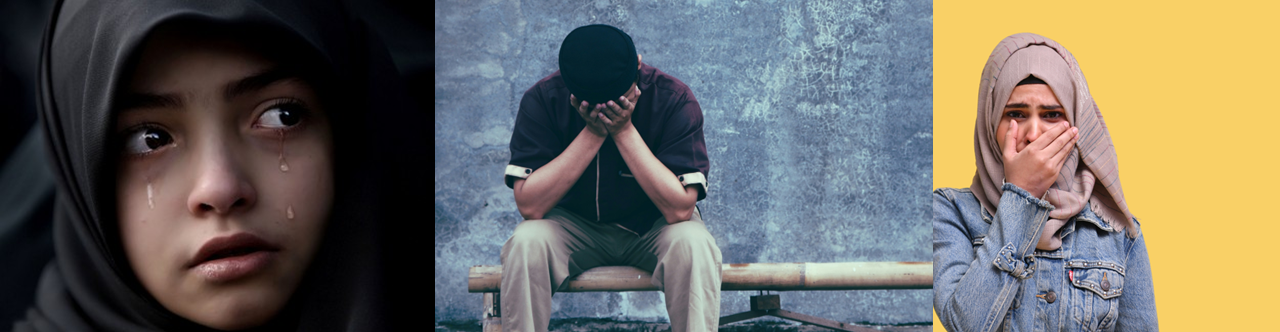
As I sit with my right foot up in a cast, recovering from a foot injury, I think about the injuries we get which are oblivious to others at first glance. It's obvious my foot was broken. An x-ray proved it. It was swollen and I was in pain. Emotional trauma and its effects are not as obvious.
One typical definition of trauma (as supplied by Google) would be “a deeply distressing or disturbing experience that overwhelms your ability to cope, leaving you feeling helpless and unsafe. It is not just the event itself, but your mind and body's lasting emotional, psychological, and physical reaction to it”.
In my job, at church, and around the community I encounter people daily who have been affected by trauma. In fact, all of us, at some point in our lives can suffer traumatic experiences.
Trauma is an individual and social experience. Healing requires an individual and social response.
How can we care particularly for asylum seekers when they may be profoundly traumatised?
A number of things to keep in mind:
Be informed of the effects of trauma in general terms.
Read about it, there are a number of good books out there. For example, 'Trauma is really strange' by Steve Haines, 'The body keeps the score' by Bessel Van der Kolk and 'Trauma and Recovery' by Judith Herman.
Be aware that trauma often shatters a person’s sense of safety.
Creating a space where people feel safe - even if you’re unable to change the physical space, ensuring that the ‘emotional space’ you create is safe (free from judgement, welcoming, warm)
Create calm, low-stimulus spaces if possible. Avoid sudden movements, loud tones, or touching without permission.
Uncertainty increases anxiety - for instance, if you are planning to bring a person to an event (church, party…) let them know what will happen there.
Also having healthy boundaries ensures a person feels safe.
Be ready to listen
Listening (not asking lots of questions that might trigger difficult emotions). We don't ask: what's wrong with you? We wait for people to be ready to share, and we just listen to them. Don’t push for their story. They’ll share if/when ready. “You don’t have to tell me what happened” removes pressure. If we need to ask, perhaps we can ask … ‘what has happened to you?’ People are not what happened to them. That will help us to understand why people behave or do what they do. “What would feel helpful for you right now?” instead of deciding for them.
Use phone interpreters if language is a barrier, but avoid family/children interpreting trauma details. Validate, don’t minimize: “That sounds terrifying” vs “At least you’re safe now.”
Common trauma responses are numbness, hyper-vigilance, flashbacks, sleep issues, anger, withdrawal. If someone is distressed: stay calm, speak softly, ground them. Don’t restrain or crowd them during panic/flashback unless there’s immediate danger. Allow space if they need it. Presence without pressure is care.
Connect to professional support if needed. Profound trauma needs trained clinicians. You’re not expected to be their therapist.
Be open handed
Give time and practical support needed, be generous and hospitable.
Be patience
Don’t rush, when it seems like a long term process to get to know a person. Don’t throw the gospel at the person expecting to be understood there are then and accept it quickly as the immediate remedy for the person. Caring for an asylum seeker who’s profoundly traumatised is heavy, and we need to show real compassion. In most cases we can’t replace professional care.
Being consistent
Do things in certain natural ways over time, which build trust.
Be prayerful
All the time. At some point, let them know you are praying for them, maybe when they share about their upcoming interview, when they miss their families back home, when they are sick.
Antonia Brixey
Yvette Flunder wrote “Power, courage, and strength alone can be devastating, selfish, and destructive. Love, sensitivity, and charity alone can be sentimental, codependent, and misdirected. A sound mind, good sense, and self-discipline alone can be self-righteous, academic, and analytical.”
Together they / we create resilient people, communities, connections.
For further resources on the subject of trauma, click here.