
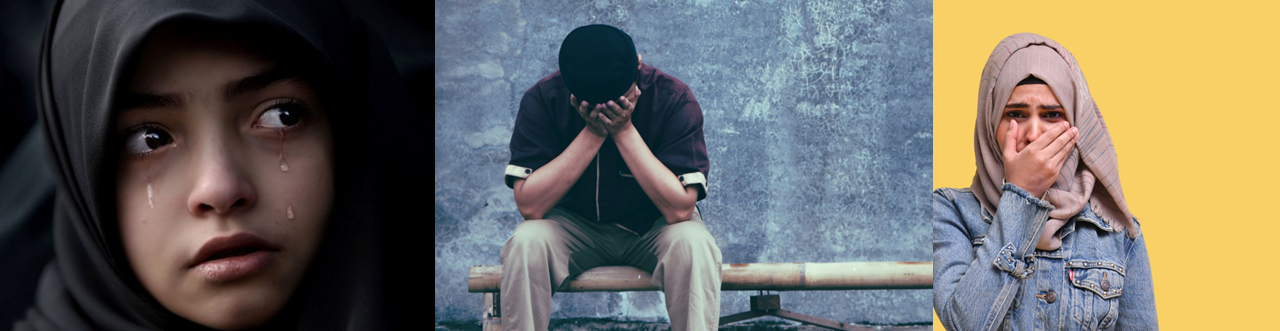
A Mahabba member shares advice on how Christians can help traumatised refugees and asylum seekers in the UK.
“I could never do that!” Is that ever our thought when we hear stories of people sharing their faith? People sound very gifted and full of power and confidence. However, we have all been given natural gifts by God; skills we can use to help other people hear about Jesus.
What will people say? Collectivist cultures, like those from which our Muslim neighbours come, prioritize the needs, goals, and harmony of the group over individual desires. Thus, in big decisions the phrase “what will people say?” is very meaningful. This is especially so in making any counter-cultural decisions, like in matters of faith.
How can you put on an event for your Muslim neighbours as a church or Mahabba group? First of all, you need a pool of ‘warm’ contacts.
A Mahabba member shares advice on how Christians can help traumatised refugees and asylum seekers in the UK.

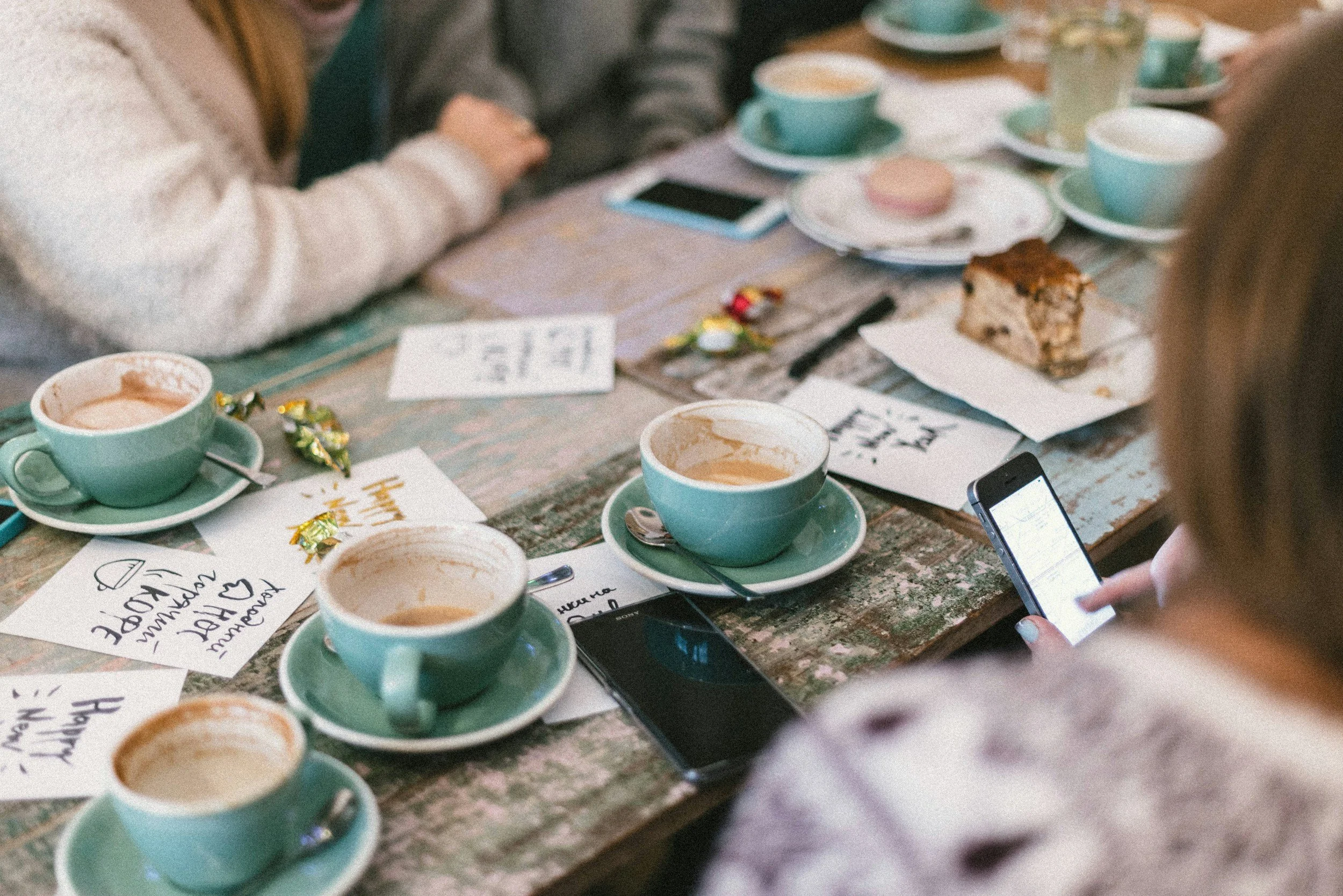
Image: Mr Cup / Fabien Barral, Unsplash
Jay asked us about recommended Bible translations in Arabic the other day:
“Can you recommend a good Arabic translation of the Bible for a refugee?”
Dear Mahabba,
I know the YouVersion Holy Bible app is very good in terms of its range of other languages available. Could you give me some pointers on which of the Arabic translations would be best to use with which Arabic speakers when sharing with Muslims I meet? E.g., for Iraqis and especially Syrians. P.S. it was good to see that there is now a Dari audio version!
Thanks to the help of some specialists on The City, we an relay the following advice.
For Arabic speakers of Muslim background the Sharif Arabic Bible comes recommended.
The Sharif is written using Muslim vocabulary, e.g. isa, not yasua, and so is good as it is more accessible to Muslim seekers.
Conversely, it is not popular with Middle Eastern Christians because of its use of majority Arabic not Christian Arabic.
Incidentally, it also has a good (but maybe not widely known) reputation, being a set textbook for the Christianity subject in one or two Islamic universities.
The van Dyke translation is written in 19th century vocabulary, but is considered to be the best by the long-established Christian Arab community in the Middle East (similar to the love of white British church-goers for the 1662 prayer book and KJV).
The al Hayah translation is written in clear, modern Arabic, similar to the Good News Bible. You can buy a hard copy on Amazon etc. with parallel English/Arabic text (the English is the NIV). This is advantageous if you want to do a one-on-one Bible study, reading along with your Arabic-literate friend.
Look out for audio materials in local Arabic dialects such as from Global Recordings - with over 100 in Arabic alone.
Some of the recordings were made decades ago for the old 78 rpm records, so quality may be poor! As such, have a little listen before you pass it on to your friends.
http://globalrecordings.net/en/search/language?search=arabic&filter=contains#fndtn-panel2
If you’re looking for languages other than Arabic, or audio-visual etc, start here: http://globalrecordings.net/en/resources
Chapter Two Books https://www.chaptertwobooks.org.uk/foreign.html (use the pull-down menu on the right-hand side to select the language)
No Frontiers https://nofrontiers.org (N.B. the website is currently unavailable 25/04/17 because of a rebuild, but check back).
Don't forget to try Word of Life http://www.word-of-life.org, which has lots of foreign language resources, including Arabic.
You might find the following helpful in relation to asylum seekers and refugees:
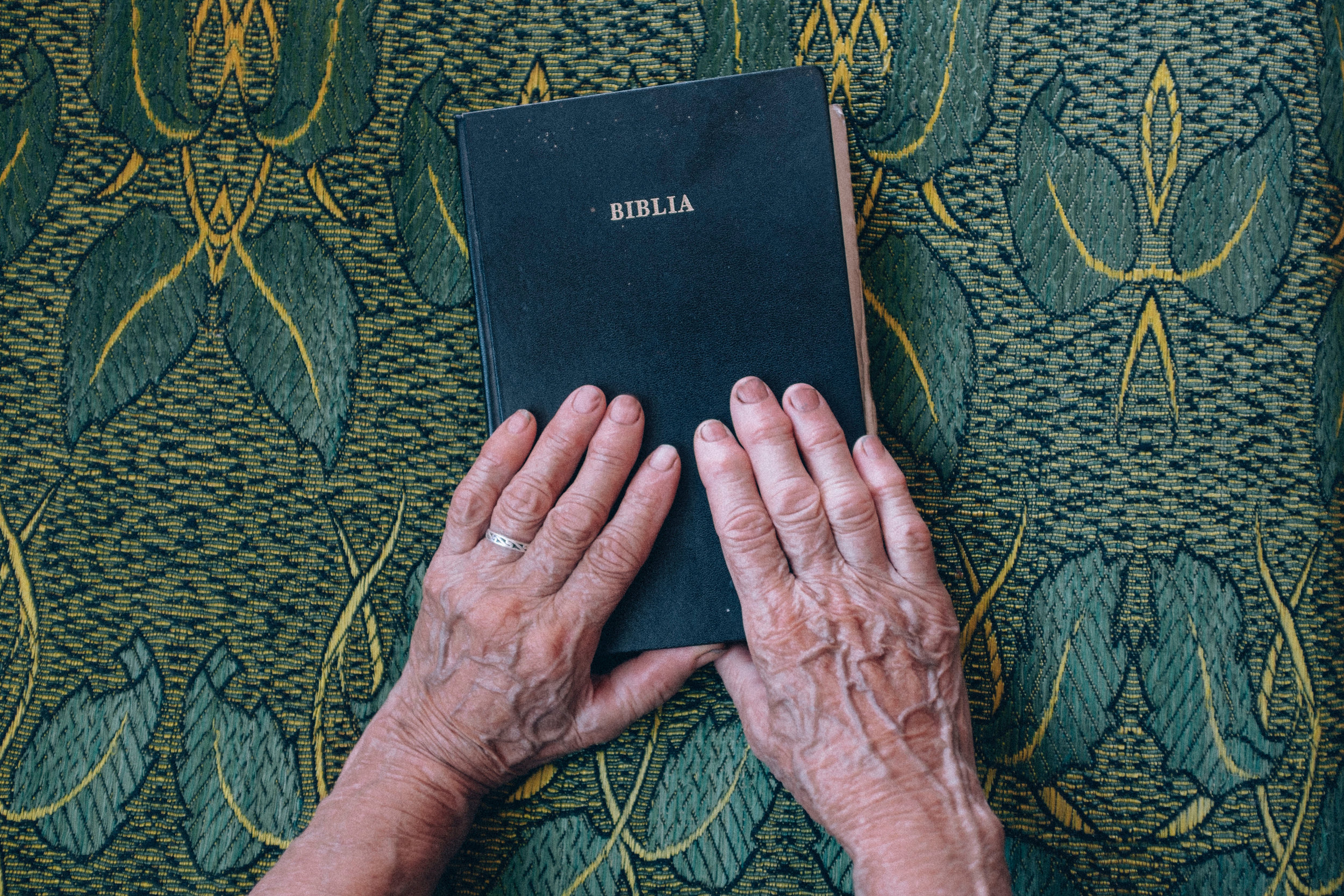
Image: Raul Petri, Unsplash
“Do you have any info on New Testaments & Gospels in other languages suitable for refugees and asylum seekers?”
Mahabba Gloucester has created a helpful sheet!
N.B. prices are subject to change and are correct as of the time of publication of this blog.
1. Amazon www.amazon.co.uk
Arabic/English New Testament, £2.80 (£3.27 plus postage)
Biblica are holders of the NIV copyright
NIV Luke’s Gospel £0.50 (and free shipping for orders of over £10.00)
2. Operation Mobilisation (OM) www.uk.om.org
Store in Halesowen
Telephone 0121-5855662 - Cecil Benjamin knows about Asian languages best
Large stock with English/Urdu Luke's Gospels in packs of 100
3. The Bible Society biblesociety.org.uk
Based in Swindon, telephone 01793 418100
Urdu New Testament £1.25
Bengali New Testament £8.40
Punjabi New Testament £8.05
English/Russian £19.00
English/Arabic £5.00
English/Chinese £5.00
English/Spanish £7.00
4. Kitab www.kitab.org.uk
Andrew Howell, telephone 01908 552714
New Testaments or Gospels in other languages
Luke in Arabic £0.85
Diglot New Testament in Arabic £6.50
Luke in Gujarati
5. The Bible Society www.bsni.co.uk
Northern Ireland, 028 9032 6577
Bi-lingual New Testaments: English/Arabic, English /Chinese, English/Hungarian, English/Polish and English/Spanish
6. Gospel Publishing Mission www.gospelpublishingmission.org
Is God really my Father? English/Arabic and pictures for use in teaching, £4.50
N.B. check pictures for suitability
7. Bible websites with foreign languages
Biblegateway www.biblegateway.com/app/
YouVersion Bible app

Image: Colin Carey, Unsplash
“Hi Mahabba,
A quick question - do you have any good contacts from which we could obtain Amharic and Tigrinya bibles for refugees we are working with?
Have a Great Day,
Andy”
The Bible Society stocks common language Bibles in Amharic and Tigrinya, as a first start.
Amharic is the main language of Ethiopia and Tigrinya (ትግርኛ) is spoken in Eritrea and northern Ethiopia.
The Amharic common language edition was published by the Bible Society of Ethiopia in 1980. The Tigrinya Bible is published in a Common Language edition.
BBC NEWSNIGHT REFUGEE POLL
Poll of 1000 British adults about the migrant crisis for BBC Newsnight
Here are the key findings from the ComRes poll for the programme.
Read the poll and its findings in full on the ComRes website.